Quick Answer: Baking Steel or pizza stone, Which Is Better?
A Baking Steel is better than a pizza stone for home pizza because it heats up 20x faster, creates crispier crust in half the time (4-6 minutes vs 8-10 minutes), and is virtually indestructible. Pizza stones are more affordable but take longer to preheat, produce less crispy crusts, and can crack from thermal shock. For the best pizzeria-quality results at home, choose steel. I would know, I invented the Baking Steel in 2012 and I've been testing it against every surface on the market ever since.
Here's a quick story. I was sitting at my desk at Stoughton Steel Company, my family's steel shop in Hanover, MA, reading the Wall Street Journal after hours. An article about Nathan Myhrvold's Modernist Cuisine caught my eye. One line stopped me cold: steel conducts heat better than stone.
I looked up from the paper. I was literally surrounded by steel. My family had been running this shop since the 1960s. I wasn't just some guy reading an article, I was a steel guy with a pizza obsession, and the answer had been sitting in my dad's shop the whole time.
I grabbed a piece of 1/4" steel. That Friday night, I walked in the door with a slab under my arm. My wife looked at me and said, "What the hell are you doing with that thing?" I just grinned and told her, "I'm making pizza on it this weekend." She shook her head, giving me the classic "here we go again" look.
That Sunday, I put that steel in our home oven and, for the first time ever, made a truly crispy pizza at home. That was my "aha" moment, and the start of everything you see here. I launched the Baking Steel on Kickstarter in 2012, Kenji López-Alt tested it and wrote on Serious Eats that it blew his favorite pizza stone out of the water, and the rest is history. Today, hundreds of thousands of home cooks use Baking Steel for pizza, bread, smashburgers, and more. Every Steel is still made at our family's shop in Hanover.
If you want crispy, blistered crust that rivals the best pizzerias, this post will help you choose the right tool for your home oven.
Why Pizza Stones Were Never Designed for Your Home Oven
The pizza stone has a legitimate origin story. Wood-fired ovens, the kind you find in Naples, in Rome, in every serious pizzeria, have stone floors. And at 900°F, those stone floors work beautifully. The radiant heat, the thermal mass, the environment, it all adds up to a perfect bake in under 90 seconds.
But here's the problem. Your home oven maxes out at 500°F. And at 500°F, a pizza stone is playing in the wrong playground.
Stone is a poor conductor of heat. It absorbs slowly, releases slowly. In a wood-fired oven running at 900°F, that doesn't matter, there's so much ambient heat that the stone stays scorching hot and recovers instantly. In a home oven at 500°F, you're fighting physics. The stone can't transfer heat fast enough to properly crisp the bottom of your pizza before the top overcooks.
This is where the Baking Steel was invented.
Steel conducts heat 18x faster than stone. The moment your dough hits a preheated Baking Steel, it starts cooking immediately, aggressively, evenly, from the bottom up. That rapid heat transfer at 500°F mimics what a stone floor does at 900°F in a wood-fired oven.
Same result. Different science. Right tool for the right environment.
A pizza stone in a wood-fired oven? Perfect. A pizza stone in your home oven? You're asking the wrong material to do a job it was never designed for.
This is exactly why I invented the Baking Steel. Not for a restaurant. Not for a wood-fired oven. For your home oven, so it could perform like it never has before.
What's the Difference? Pizza Steel vs. Stone
A pizza stone is classic,it's been around forever. But a Baking Steel? It's a total game changer for home ovens.
-
Pizza Stone: Made from ceramic or cordierite, it holds some heat but can take forever to preheat and sometimes cracks from thermal shock.
-
Baking Steel: Made from solid American steel at our family shop in Hanover, MA, it heats up fast, stores more heat (20X that of a stone), and gives you serious oven spring and crispier crust. It's also almost indestructible, you can drop it, use it under the broiler, or even grill on it.
Pizza Steel vs Stone: Quick Comparison
| Feature | Baking Steel | Pizza Stone |
|---|---|---|
| Heat Transfer | 18x faster than stone | Slower heat transfer |
| Preheat Time | 45-60 minutes | 45-60 minutes |
| Rebound Time | Fast (2-3 minutes) | Slow (10+ minutes) |
| Bake Time | 4-6 minutes | 8-10 minutes |
| Crust Quality | Crispy, charred, golden | Good but can be pale |
| Durability | Nearly indestructible | Can crack or break |
| Weight | Heavy (15-23 lbs) | Lightweight (5-10 lbs) |
| Price Range | $100-150 | $30-80 |
| Versatility | Pizza, bread, burgers, griddle | Pizza and bread only |
| Best For | Serious home pizza makers | Casual bakers, beginners |
| Made In | USA (Hanover, MA) | Varies (often imported) |
How They Work: Heat, Crust, and Performance
The difference between pizza steel and pizza stone comes down to two things: heat capacity and rebound time. Both get to 500°F in your oven. But what happens when you open that oven door, slide in your pizza, and close it back up? That's where steel dominates. I've spent 13 years and thousands of bakes testing this,here's what I've learned.
-
Heat Capacity:
Steel stores way more heat than stone, about 20x more thermal energy. When your cold dough hits the surface, the steel has enough stored heat to pump energy into the crust without losing temperature. A stone? It cools down fast and struggles to recover. This is the fundamental physics that made me realize steel was the answer when I first read about it at my desk at Stoughton Steel. My family has worked with this material for over 50 years, I understand how it stores and transfers heat. -
Rebound Time:
This is the game-changer. When you open the oven, both the oven and the baking surface lose heat. But a Baking Steel bounces back to 500°F in just a few minutes. A stone? It takes way longer to recover. That's why your first pizza on a stone might be okay, but the second and third pizzas get progressively worse. With steel, pizza #5 is just as perfect as pizza #1. I designed the Baking Steel specifically with this in mind, the thickness and grade of steel we use at our shop maximizes heat retention. -
Durability:
Stones can crack from thermal shock or drops. I went through three myself before I invented the Baking Steel, it's frustrating and wasteful. A Baking Steel? Built like a tank. You can drop it, broil on it, grill on it, or even use it as a griddle. It will outlast any stone by decades. We back every Baking Steel with a lifetime warranty because we know it's not going to fail.
Here's a Metaphor That Makes It Click
Picture this: you're outside by your pool on a scorching hot day. You're barefoot, and you have to walk around the patio gingerly because the cement is hot under your feet. Uncomfortable, but manageable.
Now imagine we lined that same patio with Baking Steel. Same temperature, same sun beating down. But your feet? They'd burn in seconds. You'd be hopping around like you stepped on hot coals.
That's heat capacity and conductivity. The cement and the steel are both hot, but the steel has way more stored thermal energy and delivers it into your skin instantly. It's the same principle with pizza dough. When your dough hits a screaming-hot Baking Steel, it gets an instant blast of intense heat that creates oven spring, crispy texture, and beautiful char. A stone? It's like the cement patio, warm, but it doesn't have enough stored energy to create that magic. And after you make one pizza, the stone is exhausted. The steel? Still ready to go.
The Baking Steel isn't just for pizza. It's a game changer for burgers, too. Don't miss our Ultimate Smash Burger recipe.
Side-by-Side Results: My Real Bake Test
I've tested both tools hundreds of times over 13 years. Here's what happens in a real home oven at 500°F:
-
On the Baking Steel:
Puffed, crispy, beautiful crust in 4–6 minutes. Golden bottom, dramatic char, airy crumb — restaurant quality at home.
Want to make dough that really shines on steel? Check out our 72-Hour Pizza Dough Recipe — it's the most popular dough on our site and the perfect match for the Baking Steel. We believe in it so much we turned it into our 72-Hour Pizza Dough Mix. Same recipe, pre-measured. Just add water.
-
On the Stone:
Decent bake, but takes longer. Bottom can be pale if your oven doesn't hold enough heat. Still good but not great. Total time: 8-10 minutes.
Pizza baked on a stone: decent, but the bottom is a little pale and missing that signature crisp.

Which Is Better for Beginners?
If you're just starting out with homemade pizza, you might think a pizza stone is the safer, easier choice. And sure, it's lighter and more affordable. But here's the truth: a Baking Steel is actually easier to use because it's more forgiving.
Steel heats up faster, so you spend less time waiting. It cooks pizza faster, so there's less chance of burning your toppings while waiting for the crust to crisp. And because it's indestructible, you don't have to baby it or worry about cracking it. For beginners who want consistent, foolproof results, steel is the better choice. I teach this in our free pizza classes — most of our students are beginners, and the steel gives them confidence from day one.
Pros & Cons of Each Tool
Baking Steel:
-
Fast preheat, best crust quality, nearly indestructible
-
Doubles as a griddle for burgers, breakfast, and more
-
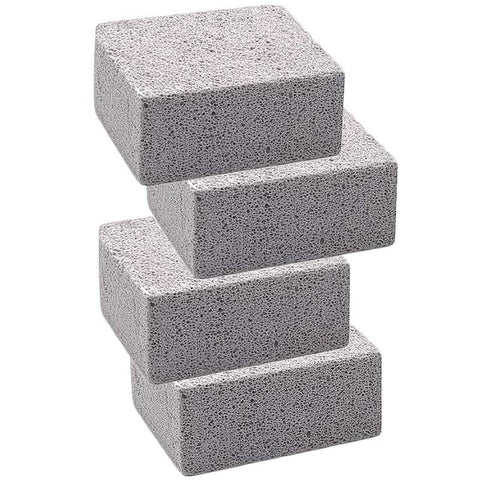
Easy to clean with Baking Steel Cleaning Bricks
-
Made in the USA at our family's steel shop in Hanover, MA — backed by a lifetime warranty
-
Heavier and can rust if not cared for (just season it like cast iron)
-
Higher upfront cost, but lasts a lifetime — it's the last pizza tool you'll ever buy
Pizza Stone:
-
Lightweight and familiar
-
Affordable entry point for casual bakers
-
Longer preheat time, risk of cracking, and crust not as crisp
-
Needs careful handling to avoid thermal shock
Is a Baking Steel Worth the Money?
Yes. If you make pizza even once a month, a Baking Steel pays for itself in better results, faster cook times, and decades of durability. Pizza stones cost $30-80 but often crack within a year or two — I went through three before I invented the steel. A Baking Steel costs around $100-150 but will outlast you. It's the last pizza tool you'll ever need to buy.
Plus, because it works as a griddle, you're getting a multi-use tool that replaces both a pizza stone and a cast iron griddle. That's serious value for serious home cooks.
The Bottom Line: Which One Is Right for You?
If you want the best possible pizza at home, a Baking Steel Original is hands-down the winner. That's what I use, every time, no question. I invented this thing because nothing else could give me the crust I wanted at home, and after 13 years and hundreds of thousands of Baking Steels made at our family shop, I still use the Original every single week.

FAQ: Baking Steel vs. Pizza Stone
Which is better: pizza steel or pizza stone?
A pizza steel is better for most home bakers because it heats faster, cooks pizza in half the time, creates crispier crust with better char, and is virtually indestructible. Pizza stones are more affordable but slower and more fragile.
Does the steel work for bread and other bakes?
Absolutely. A Baking Steel is incredible for bread, cookies, and even as a griddle for burgers and breakfast. It's one of the most versatile tools in your kitchen.
How do I care for my Baking Steel?
Treat it like cast iron: dry it well after cleaning, season it occasionally with a thin layer of oil, and it'll last a lifetime.
Is the crust really that much better on steel?
Yes. It's the difference between "good enough" and "wow, did you make this at home?" The faster heat transfer creates better oven spring, crispier texture, and more dramatic charring.
What's the best dough for a Baking Steel?
I always recommend our 72-Hour Pizza Dough for the crispiest, bubbliest results. The long fermentation pairs perfectly with the intense heat of the steel. For weeknights, our 24-hour dough is what I make every week.
Will a Baking Steel fit in my home oven?
Most home ovens fit a Baking Steel Original (16" x 14"). If it doesn't fit, we'll exchange it at no cost to you. We also offer smaller sizes for compact ovens.
Can I use a pizza stone and steel together?
Yes! Some bakers place the steel on the bottom rack and a stone on the top rack to create more even heat distribution. But for most home bakers, the steel alone is more than enough.
Which lasts longer: steel or stone?
Steel lasts decades — possibly forever. Pizza stones typically crack within 1-3 years from thermal shock, drops, or repeated use. A Baking Steel is a one-time investment backed by a lifetime warranty.
Is a pizza steel better than a pizza oven?
For most home cooks, yes. A Baking Steel in your existing oven costs $100-150 and produces pizzeria-quality results. Outdoor pizza ovens cost $300-$3,000+ and require outdoor space. The steel is more practical and versatile.
Do I need to preheat a Baking Steel as long as a stone?
A Baking Steel preheats in 45-60 minutes, while most stones need the same. The huge advantage of steel is that once it gets hot, it stays hot. We call that the rebound time.
Who invented the Baking Steel?
I did — Andris Lagsdin. In 2012, I was sitting at my desk at our family's Stoughton Steel Company in Hanover, MA, reading a Wall Street Journal article about Modernist Cuisine. One line about steel conducting heat better than stone changed everything. I grabbed a slab from the shop, tested it at home, and the first pizza was a revelation. I launched on Kickstarter that same year, Kenji López-Alt endorsed it on Serious Eats, and today hundreds of thousands of home cooks use Baking Steel worldwide. Every one is still made at our family's shop.
Want to see for yourself? Try the Baking Steel — once you do, you'll never look back. And if you have any questions, come join one of our free pizza classes. I'd love to help you get that perfect, pizzeria-quality crust at home.
About the Author
Andris Lagsdin invented the Baking Steel in 2012 using steel from his family's Stoughton Steel Company in Hanover, MA — a shop his family has run since the 1960s. What started as a Kickstarter project (backed after an endorsement from Kenji López-Alt on Serious Eats) has grown into the go-to tool for hundreds of thousands of home pizza makers. Every Baking Steel is still made at the family shop.
Before launching Baking Steel, Andris trained under renowned chef Todd English and spent 15 years in the family steel business. He's the co-author of Baking with Steel with Jesse Olson Moore.
Today he teaches thousands of students how to make pizzeria-quality pizza at home through his free online classes and recipes.
In 2026, Andris launched the 72-Hour Pizza Dough Mix the same recipe he's been teaching for over a decade, now in a bag. Just add water.
More from Andris:
72-Hour Pizza Dough Recipe
Easy 24-Hour Pizza Dough
Smash Burgers on the Baking Steel
Legendary English Muffins
How to Freeze Pizza Dough